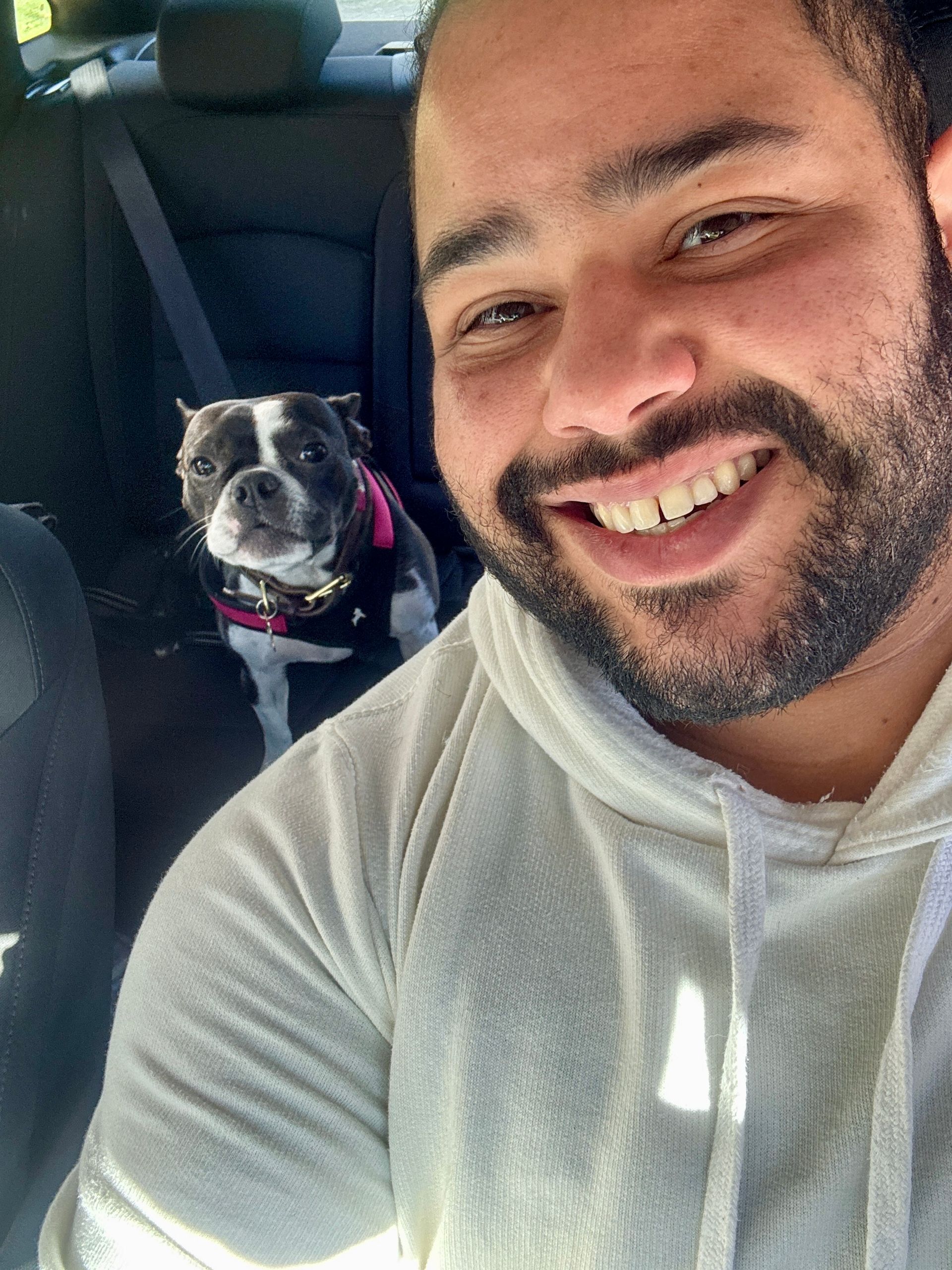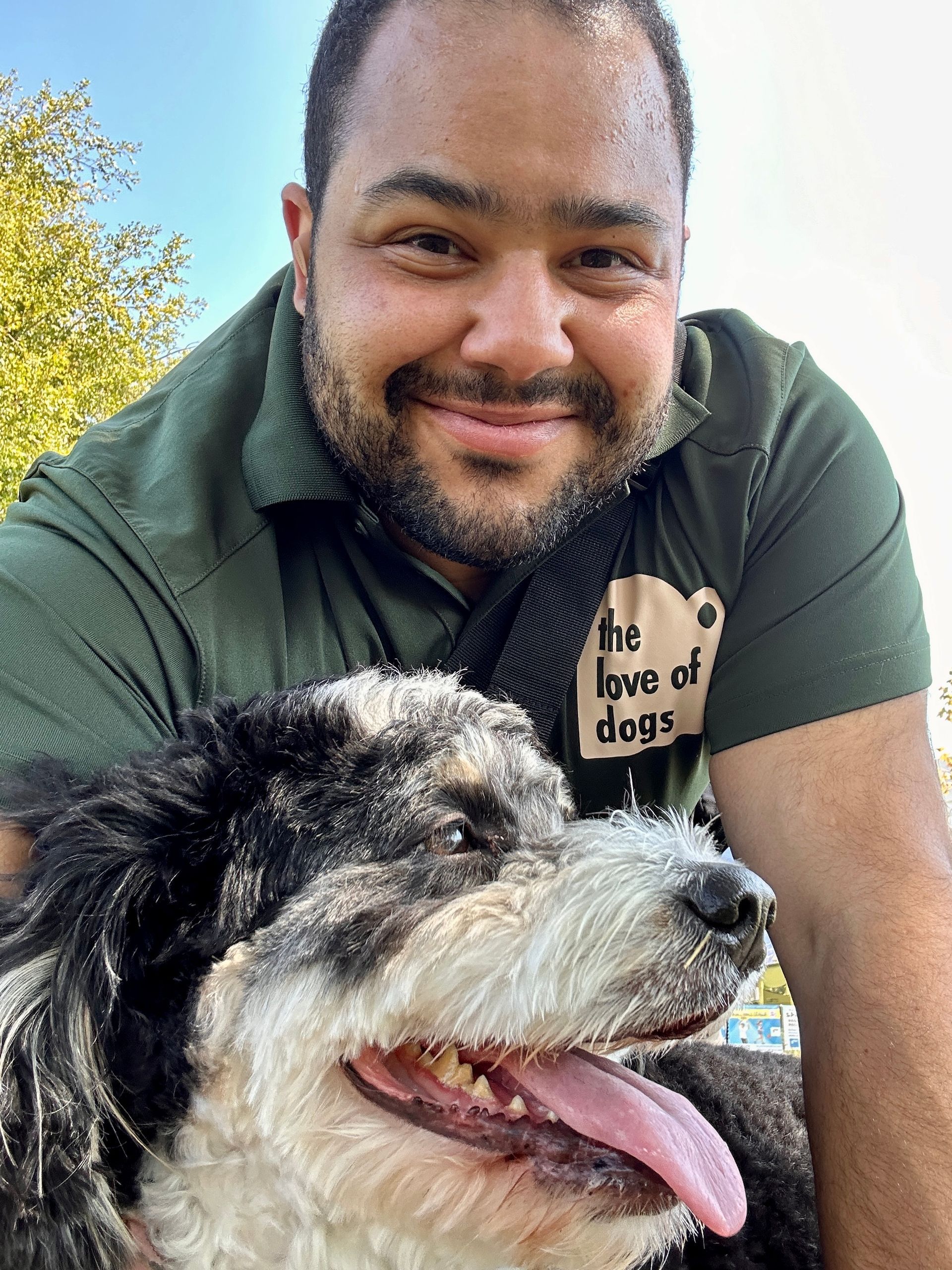
Introducing Your Dogs to New People Visiting During the Holidays

technical • August 24, 2020

The holiday season is joyful, but for dogs, a stream of new faces and loud greetings can be overwhelming. As partners in your pet's well-being, we want to help you make introductions smooth and positive—for both your dog and your visiting family and friends.


1. Create a "Safe Zone" First:  Before guests arrive, set up a dedicated Safe Zone for your dog—a crate, bedroom, or exercise pen with their favorite toys, a water bowl, and a comforting blanket. This is not a punishment; it’s a retreat where they can decompress. They should never be disturbed here.


2. Manage the Doorway Greeting: The doorway is the highest-stress area. Instead of letting your dog rush the door, use a baby gate or keep them on a leash and away from the entrance until your guests are fully inside and settled. A calm dog is a good listener.


3. Teach Guests the Rules (The "No Pet, No Look, No Talk" Method): Ask your guests to initially ignore your dog. No looking, no talking, and definitely no petting! This takes the pressure off the dog. Once your dog approaches the guest calmly (sniffing, not barking), they can offer a gentle side scratch under the chin. Remember: Let the dog initiate contact.


4. Supervise Short Interactions: Keep initial interactions short, positive, and supervised. If your dog gets overwhelmed, quietly guide them back to their Safe Zone. By managing the environment, you ensure your dog learns that visitors bring comfort, not stress.
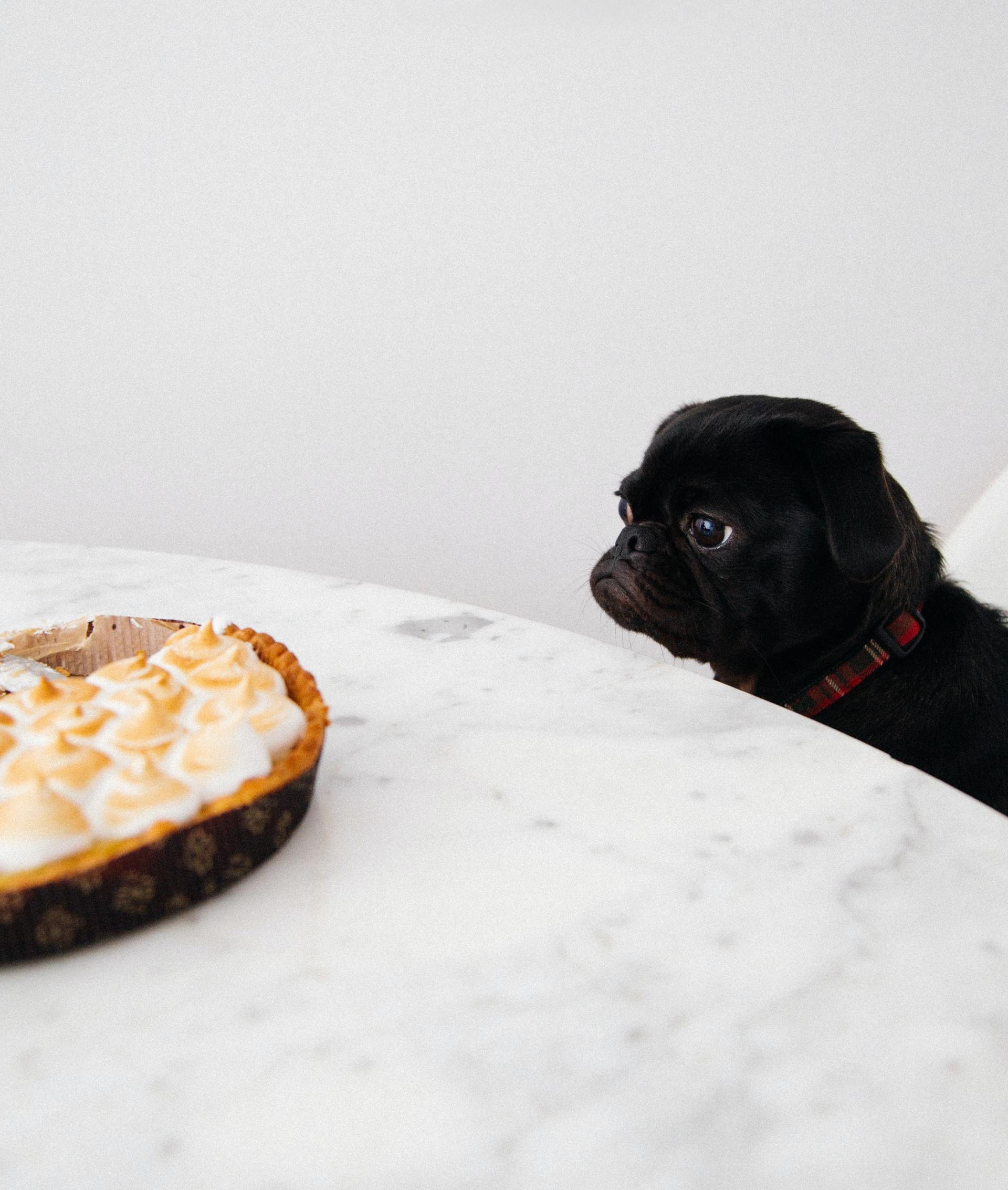

Black dog gazing intently at a lemon meringue pie on a marble table.
By technical August 25, 2025
While Los Angeles doesn't face blizzards, our winter days still require extra attention to our dogs' comfort and safety. Whether you’re staying cozy inside or heading out for a cold-weather walk, here are four items on our winter care checklist: 1. Paw Protection is Non-Negotiable: Pavement may look dry, but it often carries de-icing salts and chemicals that can irritate your dog’s paws and are toxic if licked. After every walk, wash your dog’s paws with warm water and a towel. For sensitive paws, consider moisturizing paw wax or dog booties. 2. Adjust Energy and Exercise: Dogs burn more energy trying to stay warm in the cold. While long walks are necessary, be mindful of their duration. Older dogs or those with arthritis may prefer several shorter outings to one long, strenuous walk. If it's too cold for you, it's likely too cold for them! 3. Never Leave Them Alone in the Car: Just as cars can become ovens in the summer, they can quickly turn into refrigerators in the winter. Never leave your dog unattended in the car during cold weather. 4. Stay Hydrated, Inside & Out: Even when temperatures drop, dogs need just as much water. Make sure water bowls are always full and, if you have an outdoor dog or live in a very cold area, check the bowl frequently to ensure the water hasn't frozen.
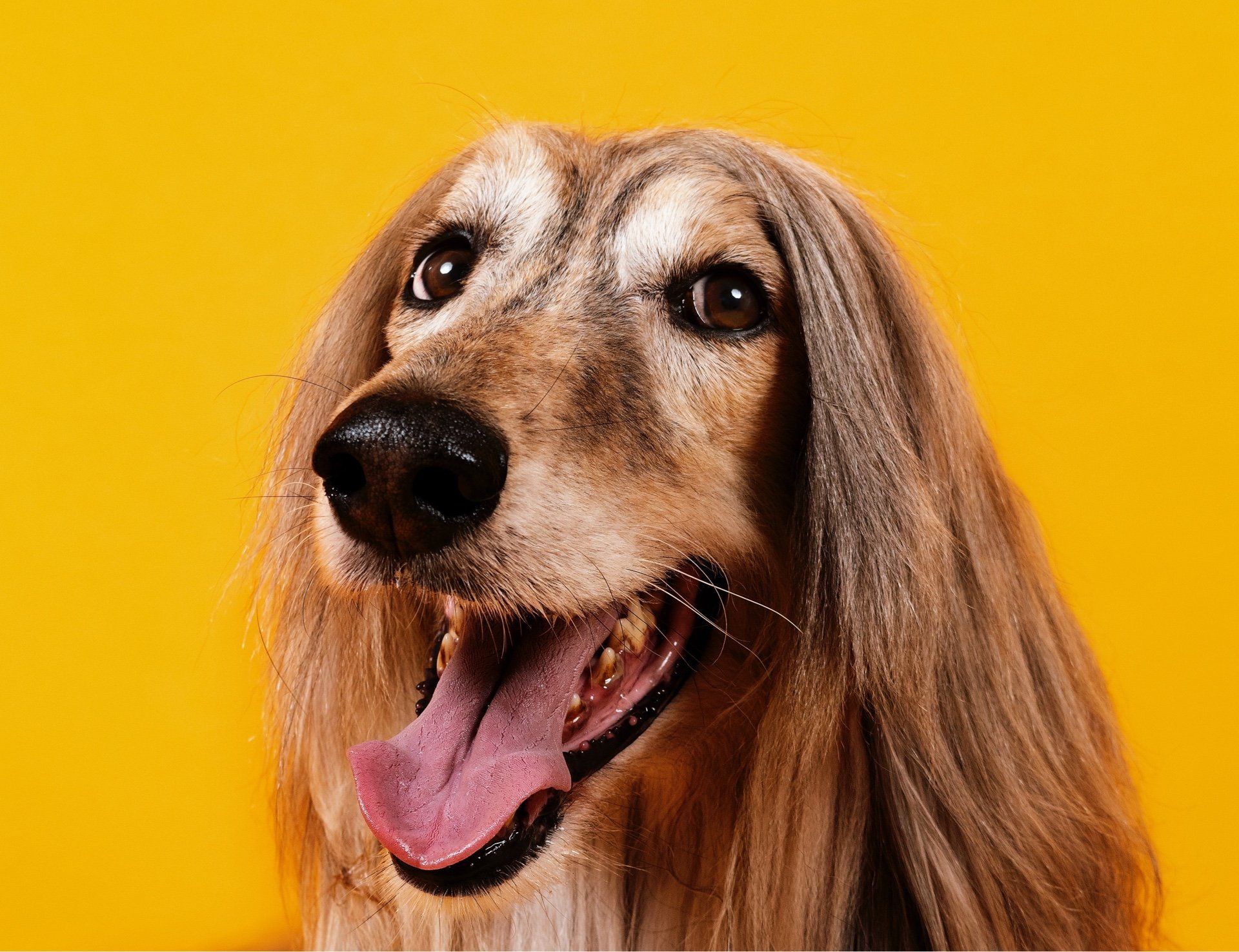
Afghan hound dog, light brown fur, mouth open, pink tongue, against a yellow background.
By technical August 24, 2020
We know it's hard to resist those puppy dog eyes under the dinner table. Feeding your dog a small bite of your dinner isn't a crime—but knowing what's safe and what's toxic is essential to being a compassionate pet parent. Toss the Toxic: Certain common human foods can be extremely toxic, even in small amounts. NEVER feed your dog: Grapes/Raisins: Can cause acute kidney failure. Xylitol (Birch Sugar): Found in sugar-free gum, candy, and some peanut butter; causes a rapid, life-threatening drop in blood sugar. Onions, Garlic, Chives, & Leeks: Can damage red blood cells, leading to anemia. Alcohol & Caffeine: Affect the nervous system and heart. Safe & Beneficial Snacks (In Moderation): These foods are safe and even healthy, provided they are cooked (if applicable) and unseasoned. Cooked, Lean Meats: Chicken, turkey, and beef (plain, no fat or bones). Plain Vegetables: Carrots, green beans, cucumbers, and sweet potatoes (steamed or boiled). Simple Fruits: Apples (no core/seeds), bananas, and blueberries. If you have any questions about your dog’s diet or suspect they have eaten something toxic, please contact your veterinarian immediately.